Local parks, walking trails, and community activities offer simple ways to spend time outdoors, meet neighbors, and enjoy the places close to home. Whether you are planning a quiet morning walk, a family afternoon, or a weekend event, a little preparation can make the experience more comfortable and enjoyable.
You do not need expensive equipment or a complicated schedule to get started. By choosing activities that match your interests, respecting shared spaces, and staying aware of your surroundings, you can make local recreation part of your regular routine.
Start With Nearby Options
The best place to begin is often a park or trail that is easy to reach. Look for green spaces within walking distance, a short drive, or a convenient public transportation route. A nearby location makes it easier to visit regularly and explore at your own pace.
Before heading out, check the park’s website, community bulletin board, or local recreation page. These sources may include useful information about:
– Opening and closing hours
– Parking and restroom locations
– Trail conditions
– Playground or sports facilities
– Picnic areas and shelters
– Scheduled events and activities
– Rules for pets, bikes, and gatherings
If you are visiting for the first time, start with a simple plan. Choose one trail, playground, garden, or open area rather than trying to see everything in one visit. A relaxed introduction can help you decide what you would like to explore next.
Choose Activities That Fit Your Day
Local outdoor spaces can support many different interests. You might enjoy a peaceful walk, a short nature break, an active game, or a community program. The right choice depends on your schedule, energy level, weather, and who is joining you.
For a quiet outing, consider:
– Reading on a park bench
– Taking photos of plants and scenery
– Watching birds from a respectful distance
– Sketching or writing in a notebook
– Enjoying a picnic
– Walking at an easy pace
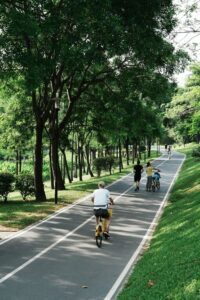
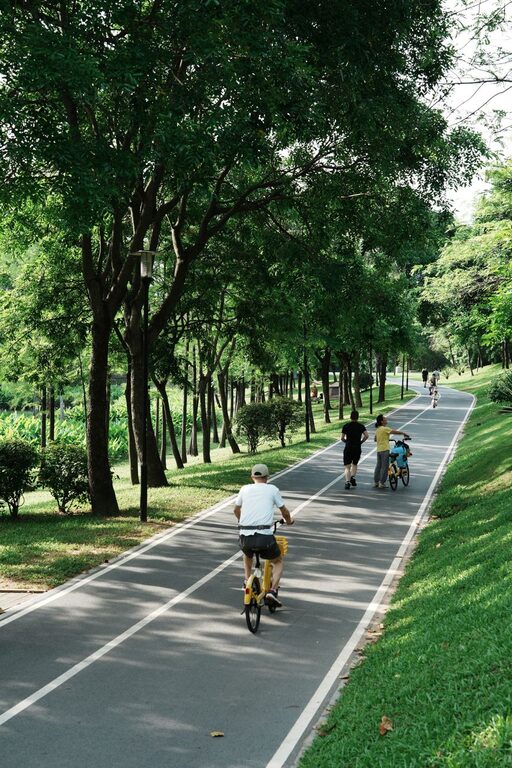
For more active recreation, look for walking loops, bike paths, sports courts, open fields, or outdoor fitness stations. If you are visiting with children, playgrounds, splash areas, and simple games can keep everyone engaged.
It is also helpful to plan activities with different energy levels. For example, you could begin with a walk, take a break for a snack, and finish with time at a playground or picnic area. Flexible plans make it easier to enjoy the day without feeling rushed.
Prepare for a Comfortable Visit
A few basic items can improve your experience, especially when you plan to spend several hours outdoors. Pack according to the season, location, and activity.
Useful items may include:
– Water
– Comfortable shoes
– Weather appropriate clothing
– Sun protection
– Insect repellent when needed
– A small snack
– A phone or map
– A bag for personal items and waste
– A light jacket or extra layer
– Basic supplies for children or pets
Check the forecast before leaving and be prepared for changing conditions. In warm weather, bring extra water and look for shaded areas. On cooler days, layers can make it easier to adjust as temperatures change.
If you are walking a longer trail, tell someone where you are going and when you expect to return. Stay on marked paths, follow posted signs, and choose a route that matches your experience and available time.
Practice Good Trail Etiquette
Parks and trails are shared spaces. Simple courtesy helps everyone feel welcome and keeps these areas enjoyable for future visitors.
When walking or cycling, follow the posted direction and yield when appropriate. Keep noise at a reasonable level, especially near homes, wildlife areas, or people who are enjoying a quiet activity. If you are with a group, avoid blocking the entire path.
Keep pets under control and follow local rules about leashes. Always clean up after them and place waste in the proper bins. Children can also learn basic trail etiquette, such as staying near the group, giving others room, and leaving plants and natural features undisturbed.
Use designated areas for picnics, sports, and other activities when possible. Avoid climbing on structures that are not designed for it, and report damaged equipment or unsafe conditions to the appropriate park office.
Keep Parks Clean and Welcoming
A clean park benefits everyone. Bring a small bag for wrappers, bottles, and other waste, even if you expect to find trash cans nearby. If a bin is full, take your waste with you rather than leaving it beside the container.
Try to follow a simple “leave no trace” approach:
– Take all personal items with you
– Stay on established trails
– Do not pick flowers or remove natural objects
– Avoid feeding wildlife
– Use reusable containers when practical
– Respect gardens, habitats, and planted areas
These habits help protect the appearance and health of local spaces. They also set a positive example for children and other visitors.
Take Part in Community Activities
Community activities can add a social element to time spent outdoors. Many towns and neighborhoods offer seasonal events, outdoor concerts, craft fairs, clean-up days, group walks, sports programs, and educational activities.
Check local libraries, recreation centers, neighborhood groups, and park departments for event information. Community calendars are often updated throughout the year, so it can be useful to look regularly.
If you are attending an event for the first time, review the details in advance. Confirm the location, start time, parking information, registration requirements, and what to bring. Some activities may be designed for specific age groups or require participants to provide their own supplies.
You do not have to attend every event to become involved. Start with one activity that interests you. Over time, familiar faces and recurring programs can help you feel more connected to your neighborhood.
Make Visits More Engaging
A small goal or theme can make a familiar park feel new. Try taking a different route, noticing seasonal changes, or creating a simple activity for your group.
Ideas include:
– Count different types of trees
– Look for interesting shapes in leaves and clouds
– Take photos from the same spot each season
– Create a short scavenger hunt
– Practice identifying common birds
– Bring a ball, frisbee, or board game
– Write down favorite places to sit or relax
Keep activities flexible and suitable for the people attending. The goal is to enjoy the setting, not to complete a long checklist.
Build a Regular Routine
You may enjoy local parks more when visits become a regular part of your schedule. Consider setting aside one morning, afternoon, or evening each week for outdoor time. Even a short visit can provide a welcome change from indoor routines.
Try different times of day to discover what works best. Early visits may be quieter, while afternoons can be better for group activities. Seasonal changes can also bring new scenery and events to familiar places.
Most importantly, allow yourself to enjoy local spaces at a comfortable pace. A nearby park does not have to be large or impressive to be valuable. With thoughtful preparation, respectful habits, and an open mind, parks, trails, and community activities can become easy and rewarding parts of everyday life.