
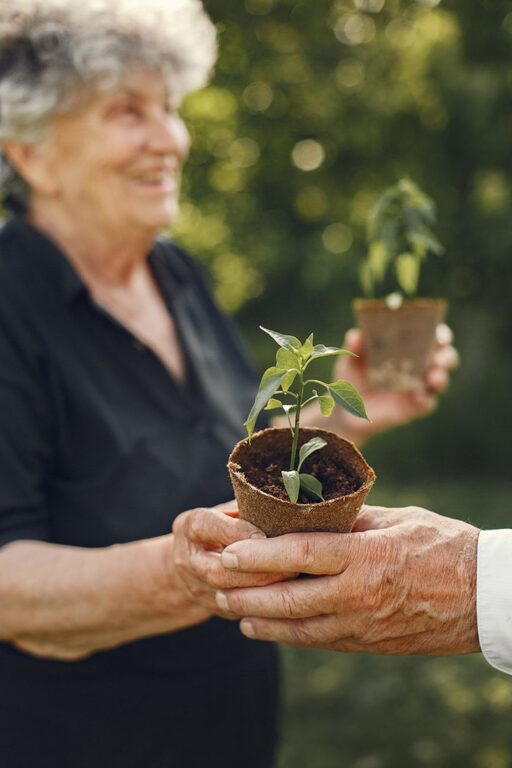
Gardening can be a pleasant way to stay active while spending time outdoors. The key is to choose projects that encourage steady movement without turning into an exhausting workout. By switching between tasks, using helpful tools, and working at a comfortable pace, you can enjoy the garden while keeping the workload manageable.
These projects are designed for a range of spaces, from small patios to larger yards. Each one can be adjusted to match your available time, energy, and gardening experience.
1. Create a Container Garden
Container gardening is one of the easiest ways to add plants without preparing a large garden bed. Pots, window boxes, and raised containers can hold herbs, flowers, leafy greens, and compact vegetables.
Start by choosing a few containers that are easy to move or position at a comfortable height. Lightweight pots can make rearranging simpler, while sturdy containers are useful for permanent displays.
How to keep it manageable
- Begin with two or three containers instead of filling an entire patio.
- Choose plants with similar sunlight and watering needs.
- Use a small scoop or lightweight hand trowel.
- Place containers where you can reach them without repeated bending.
- Water in short sections rather than carrying a large, heavy container.
A container garden also makes it easy to create small tasks throughout the week. You might plant one pot on one day, tidy the leaves another day, and harvest herbs later.
2. Build a Simple Herb Station
An herb station combines planting, labeling, watering, and harvesting into a compact project. It can be placed near a kitchen door, on a balcony, or beside a sunny window.
Choose a few useful herbs, such as basil, parsley, chives, mint, or thyme. Use small pots or a narrow planter so the station remains easy to reach.
Add simple labels made from wooden sticks, recycled containers, or weather-resistant markers. Arranging the herbs and creating labels adds variety without requiring long periods of repetitive work.
Ideas for a comfortable setup
- Use a small shelf or plant stand to raise pots off the ground.
- Keep a lightweight watering can nearby.
- Harvest small amounts often instead of waiting for one large session.
- Place frequently used herbs at the front of the station.
This project provides regular, brief gardening activities rather than one demanding task.
3. Make a Pollinator Friendly Flower Bed
A small flower bed can add color and create a welcoming space for bees, butterflies, and other garden visitors. You do not need to prepare a large area. A narrow border or circular bed can make a noticeable difference.
Choose several plants that bloom at different times. Native plants are often a practical choice because they are suited to local conditions, but garden centers can also help you find options for your area.
Prepare the space in stages. On the first day, mark the outline. On another day, remove a small amount of unwanted growth. Later, add compost and plant a few flowers.
Keep the project light
- Work on a small section at a time.
- Use a kneeling pad or low garden seat.
- Spread mulch in thin layers instead of moving a large amount at once.
- Choose smaller plants that are easier to handle.
- Leave paths between planting areas for easy access.
A well-planned layout can also reduce future maintenance by grouping plants with similar needs.
4. Set Up a Garden Path
A garden path is both decorative and practical. It can make it easier to move between planting areas while adding structure to the yard.
For a simple path, use stepping stones, wood chips, gravel, or bark. Start with a short route between two frequently used areas, such as a patio and a raised bed.
Mark the path with string or garden stakes before adding materials. This gives you a chance to adjust the layout without doing unnecessary work.
Simple path options
- Stepping stones placed in existing grass or soil
- A narrow strip of bark or wood chips
- Flat stones arranged along a flower border
- Reclaimed bricks used to define a small walkway
Carry materials in small batches, or use a garden cart when possible. The goal is to create a useful improvement while keeping each work period short.
5. Grow a Salad Garden
A salad garden is a rewarding project because it produces results in a relatively small space. Leafy greens, radishes, green onions, and compact herbs can grow in containers or raised beds.
Instead of planting everything at once, use succession planting. Sow a small amount of seed every week or two. This creates several brief planting sessions and can provide a steady supply of fresh produce.
Make planting more comfortable
- Use a raised planter or tabletop container.
- Choose seed packets with clear, simple instructions.
- Mark each row with a label.
- Keep a small notebook to record planting dates.
- Harvest only what you plan to use.
Checking the plants, thinning seedlings, and harvesting small amounts all provide gentle movement without requiring a long session.
6. Refresh a Small Garden Corner
You can create a new garden feature by refreshing one neglected corner. This might be an area near a fence, beside a shed, or around an existing tree.
Begin by choosing a theme. Consider a shade garden, a reading corner, a collection of colorful pots, or a space for fragrant plants. Remove only the items that no longer belong, then add one or two new features.
A small bench, decorative stone, birdbath, or trellis can give the area a finished look. Rearranging existing pots may be enough to create a noticeable change.
Use a project sequence
- Clear a small surface or section.
- Sort items into keep, move, and recycle groups.
- Add one focal feature.
- Place a few plants or containers.
- Finish with a light cleanup.
Breaking the project into steps helps prevent the work from becoming overwhelming.
7. Add a Trellis for Climbing Plants
A trellis adds height and visual interest while allowing climbing plants to grow upward. It can support beans, peas, flowering vines, or compact cucumbers.
Choose a trellis that is light enough to position easily but strong enough for the plants you plan to grow. A simple wooden frame, wire panel, or decorative garden arch can work well.
Position the trellis before planting when possible. This reduces the need to disturb the plants later. As the vines grow, guide them with soft ties or garden twine.
This project involves several short activities: selecting the structure, installing it, planting, and guiding new growth. Each step can be completed separately.
Tips for a Comfortable Gardening Routine
Even simple projects can become tiring when done for too long. A few habits can help keep gardening enjoyable.
- Choose one clear task for each session.
- Set a timer as a reminder to pause and change activities.
- Keep frequently used tools close to the work area.
- Use tools with comfortable handles and the right size for the job.
- Alternate standing, walking, planting, watering, and light cleanup.
- Store materials in smaller containers that are easier to move.
- Stop before the work becomes uncomfortable or exhausting.
It can also help to keep a short list of seasonal tasks. When you have limited time, choose one small item from the list instead of trying to complete everything at once.
Enjoy the Process
Gardening does not need to involve large planting beds or long hours of digging. Container gardens, small paths, herb stations, and compact flower beds can provide plenty of movement and creativity in manageable amounts.
Choose projects that fit your space and routine, then divide them into short, practical steps. With a thoughtful setup and a flexible pace, gardening can remain an enjoyable way to stay active while caring for the outdoor spaces you use every day.